


The Oldest Rocks on Earth: A Search for the Origins of Our World
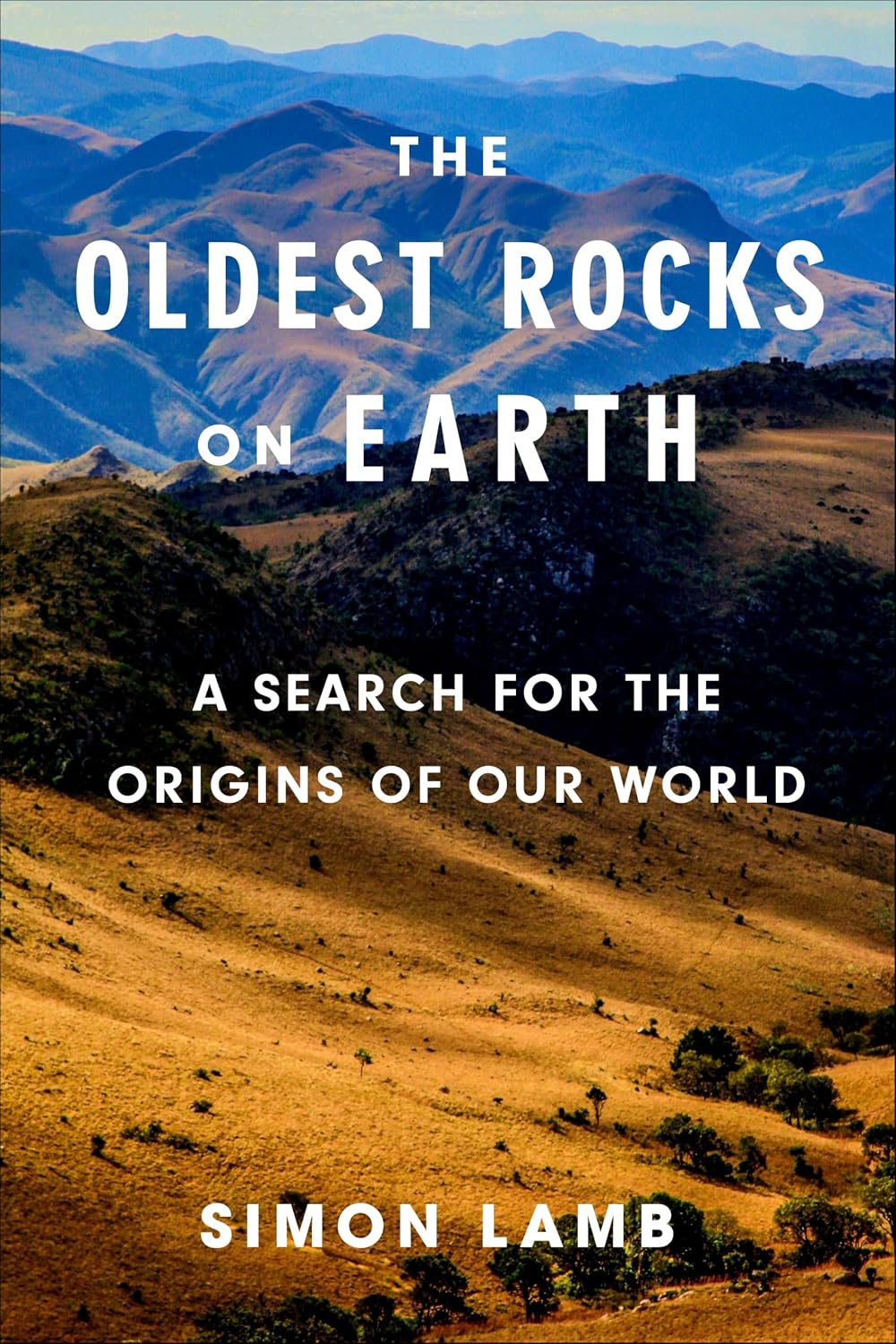
The Oldest Rocks on Earth takes the reader into the deepest history of our planet and the author’s strongly held views on that history through digestible descriptions of field practices and laboratory techniques. The excitement (and some of the pitfalls) of a life in geology emerge from snapshots of the author’s own career progression, making this an especially personal account of revealing the beginnings of Earth’s history.
Lamb’s main field area is the early Archean Barberton Greenstone Belt of southern Africa. Although it may not contain the very oldest rocks, unravelling its geology provides an inspiring introduction to classic mapping and the challenges of interpreting Earth’s earliest history. In exploring these questions, Lamb acknowledges the influence of several key mentors and fellow researchers. In particular, he shares Maarten de Wit’s view that the Barberton rocks point to plate tectonic processes beginning in the early Archean or even the Hadean.
Later chapters take the reader through arguments on the very early origins of the hydrosphere and biosphere, some of it based on Lamb’s more recent field research around New Zealand. He takes care to make it clear that alternative models are available, reminding the reader of the continuing existence of lively debate in geoscience. Each chapter concludes with a personal story or (often self-deprecating) anecdote, in which his own career is variously progressed or hindered by mishaps in the field, bureaucratic wrangles, and inspirational interactions with rocks or other geologists. The many illustrations include maps and diagrams drawn by the author, and photographs of rocks, minerals, scenery and fauna (including the occasional geologist).
Lamb’s love and respect for the natural history side of geology is evident throughout this book. He is good at setting out the development of ideas and theories, and relaying the insights to be gained from uniformitarian observations (assuming current processes have always happened in the same way). The result is a thoroughly engaging and entertaining read.
While I can confirm the book’s appeal to an interested geoscientist, its avoidance of technical jargon and inclusion of a comprehensive glossary make it accessible to the general reader. It offers an engaging introduction to Earth’s most ancient history and the continuing efforts to uncover its secrets.
Review by David Smith
DETAILS
BY: Simon Lamb (2026) Columbia University Press, 352 pp.
ISBN: 9780231222235
PRICE: £25, available from Geoscientist’s bookshop


